Urinary Incontinence
Specialists make use of directed workouts, breathing strategies, and position training to aid improve stamina, coordination, and leisure. It can help with much better bladder control, decreased pelvic discomfort, and improved confidence and quality of life. Among postmenopausal females, UI is still a typical and complex trouble that has a considerable negative effect on health and lifestyle. An extensive approach to this issue will certainly minimize UI's unfavorable results on culture all at once while concurrently boosting individual health and wellness results. Thankfully, various administration techniques and therapies are readily available for UI, and females experiencing this issue must not think twice to seek assistance. Lifestyle alterations, such as weight administration, pelvic floor exercises (like Kegel workouts), and bladder training can be helpful.Menopause-related hormone changes can aggravate the bladder and contribute to this problem. Overall, the researches emphasize the complexity of UI in postmenopausal ladies, where elements such as age, hormone changes, and lifestyle add to the irregularity in occurrence and symptom severity. If you are uneasy or unpredictable regarding doing Kegel workouts by yourself, a medical professional or nurse can likewise teach you how to do Kegels. A pelvic flooring physiotherapist or various other specialist may additionally be available in your area to aid educate you how to enhance these muscle mass.

Cut down on foods and drinks that irritate your bladder, such as zesty foods, tomato-based products, alcohol, and high levels of caffeine. You should additionally maintain a healthy and balanced weight so your pelvic floor does not experience added pressure from excess weight. Your pelvic floor muscles manage when you nullify your bladder and hold your pelvic organs in position.
Hormonal agent adjustments can also affect your muscle toughness in the pelvic area. Consequently, UI is more typical in ladies who are pregnant, giving birth, or undergoing menopause. An additional usual (but less spoke about) sign of perimenopause is modifications in bladder habits and feature. Urinary seriousness, urinary system incontinence (like the notorious sneeze-pee), and urinary system system infections (UTIs) all end up being more common during this change. Effective management calls for recognizing hormonal changes and using suitable diagnostic and therapy strategies. Integrating medical treatments with way of living adjustments assists support general urological health.- A recent study clarified frequent (recurring) UTIs in postmenopausal women.Sex boosts blood circulation to the vaginal area and assists maintain the vaginal walls healthy.These shifts may bring about urinary tract infections (UTIs), incontinence, or urinary system regularity.
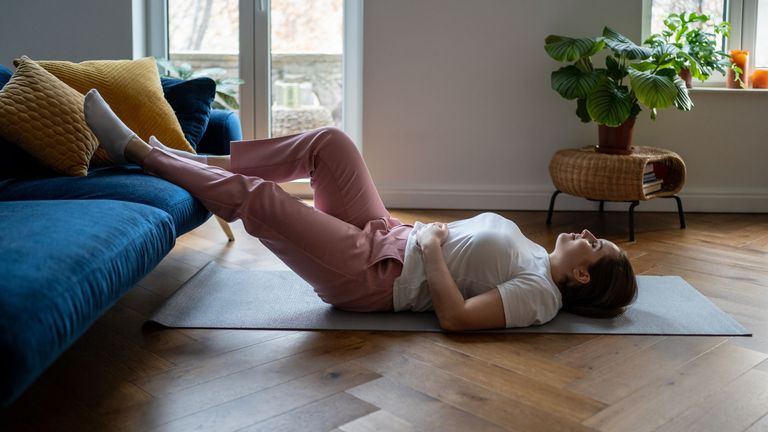
What Causes Urinary System Incontinence?
Specific foods and drinks can contribute to urinary incontinence by irritating the bladder, making you require to clear it regularly. Caffeine and alcohol should be prevented, and sugar, spicy foods, or acidic foods are understood to trigger bladder irritation too. Everybody is various so what might be a problem for some might not influence others. Try out a bladder diary to learn if what you're consuming seems to be adding to your urinary incontinence. Your deteriorated pelvic flooring makes it more difficult to control your bladder, particularly when tension is positioned upon it (as discussed over).
Combined, these adjustments can trigger you to leak urine during physical activity-- even as a result of coughing, sneezing, or laughing. In this blog post, learn just how menopause and urinary incontinence are linked and exactly how we can help you manage those signs with therapy customized to your requirements. In fact, urinary incontinence is so common throughout menopause that several women create it off as a natural part of aging. Kegel exercises involve pressing and kicking back the muscle mass in your pelvic and genital locations to reinforce them.Identifying Urinary System Incontinence: When To Look For Professional Aid
These changes can likewise signify underlying medical problems that require attention. Yet modifications in urinary system tract feature that Hyoscyamine frequently come with aging, such as urinary incontinence and urinary system infections, do not need to be. Clinical treatments, including those that include supplying estrogen vaginally, have actually been revealed to stop repeat UTIs in postmenopausal women. These exercises enhance the pelvic floor muscle mass, which supply assistance to the bladder and uterus.This is the hormone that keeps your bladder and urethra healthy and balanced, and subsequently, much less estrogen creates pelvic flooring muscular tissues to become weak. As estrogen degrees remain to drop during menopause, Lazy bladder syndrome UI signs and symptoms can become worse. Regular pelvic floor exercises strengthen the muscle mass sustaining the bladder. Preserving a healthy weight decreases stress on the bladder, improving control.
Your pelvic floor muscle mass may additionally weaken with age and less exercise. Although periodic leakages might seem minor, continuous urinary incontinence can influence your sleep, self-confidence, affection, and social life. If you find on your own adjusting your tasks or regimens because of bladder control problems, it's time to speak to a gynecologist. Stress and anxiety Urinary incontinence is the a lot more usual of the two kinds, and some might consider it the less serious version. Deteriorated muscle mass from aging can not protect against leakage of pee when a woman chuckles, coughs, sneezes, or raises heavy things.